Sleep and psychological health are closely linked. Sleep deprivation impacts your psychological state and mental health. And those with mental health issues are most likely to have sleeping disorders or other sleep conditions. Americans are infamously sleep deprived, but those with psychiatric conditions are much more likely to be yawning or dazed throughout the day.
population. Sleep problems are particularly typical in patients with stress and anxiety, anxiety, bipolar illness, and attention deficit disorder (ADHD). Typically, clinicians treating clients with psychiatric disorders have viewed sleeping disorders and other sleep conditions as symptoms. However studies in both adults and kids suggest that sleep problems may raise danger for, and even straight add to, the advancement of some psychiatric conditions.
The brain basis of a mutual relationship in between sleep and mental health is not yet totally comprehended. But neuroimaging and neurochemistry studies suggest that a great night's sleep assists foster both psychological and psychological durability, while chronic sleep deprivation sets the stage for unfavorable thinking and emotional vulnerability. Sleep problems are most likely to affect clients with psychiatric disorders than individuals in the general population.
Dealing with the sleep condition may help reduce symptoms of the mental illness. Every 90 minutes, a typical sleeper cycles in between two major classifications of sleep although the length of time spent in one or the other modifications as sleep progresses. During "quiet" sleep, a person advances through 4 stages of progressively deep sleep.
The inmost stage of peaceful sleep produces physiological modifications that help boost body immune system working. The other sleep category, REM (fast eye motion) sleep, is the period when individuals dream. Body temperature level, high blood pressure, heart rate, and breathing boost to levels determined when individuals are awake. Studies report that Rapid Eye Movement sleep improves knowing and memory, and contributes to emotional health in complicated ways.
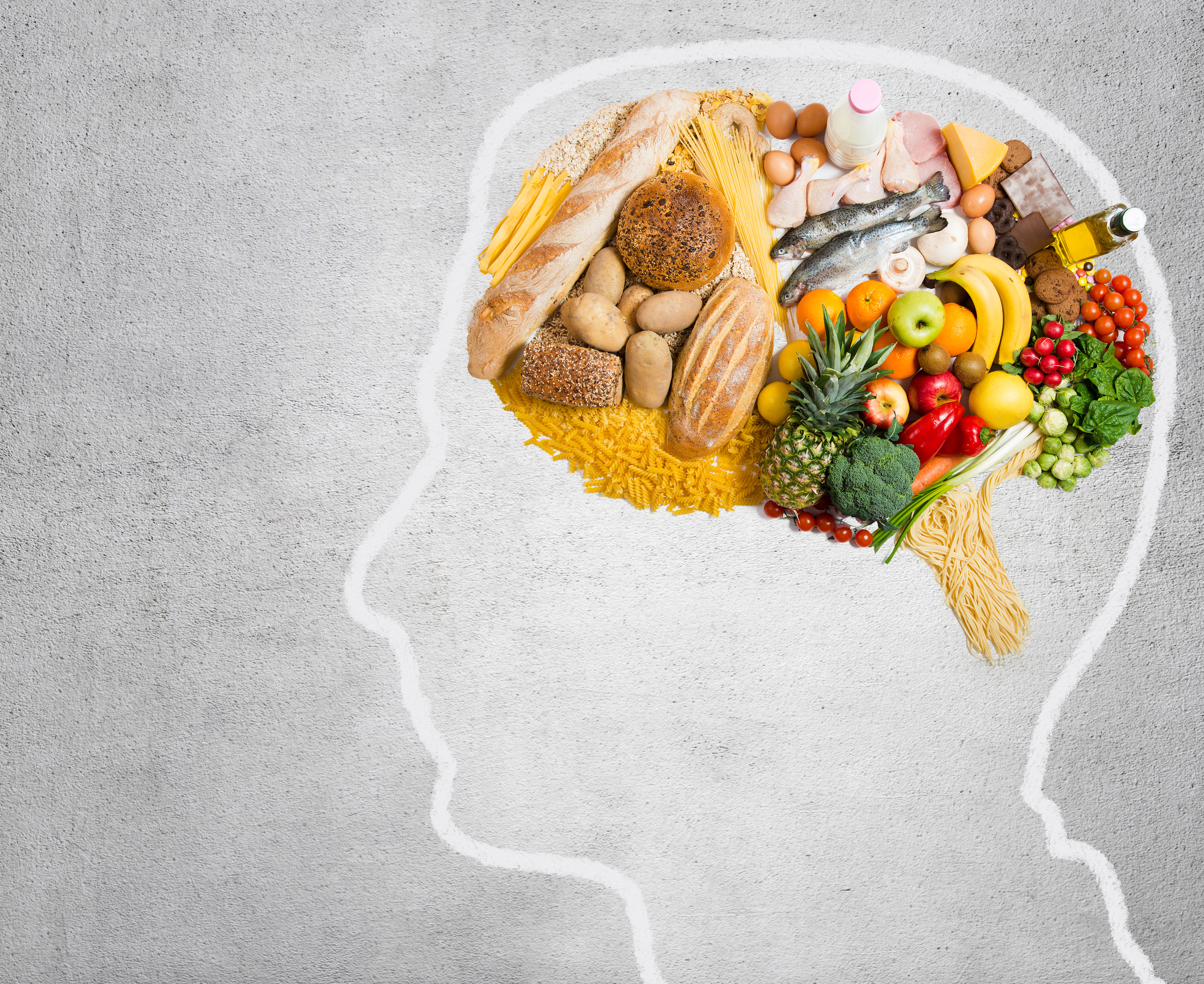
The Only Guide to How Social Connection Affects Mental Health
In this method, insomnia may magnify the results of psychiatric disorders, and vice versa. More than 70 kinds of sleep disorders exist. The most common issues are insomnia (trouble falling or staying asleep), obstructive sleep apnea (disordered breathing that causes multiple awakenings), numerous movement syndromes (undesirable sensations that trigger night fidgeting), and narcolepsy (extreme sleepiness or falling asleep all of a sudden during the day).
However the overlap between sleep conditions and numerous psychiatric problems is so terrific that researchers have long presumed both types of problems may have common biological roots. Research studies utilizing different approaches and populations approximate that 65% to 90% of adult clients with significant anxiety, and about 90% of kids with this condition, experience some type of sleep problem.
Insomnia and other sleep problems likewise increase the threat of developing anxiety. how unemployment affects mental and physical health. A longitudinal research study of about 1,000 grownups ages 21 to 30 registered in a Michigan health care company found that, compared to regular sleepers, those who reported a history of insomnia throughout an interview in 1989 were 4 times as likely to develop significant anxiety by the time of a second interview three years later.
Insomnia and other sleep issues impact outcomes for clients with anxiety. Research studies report that depressed clients who continue to experience insomnia are less most likely to react to treatment than those without sleep problems. Even clients whose mood improves with antidepressant treatment are more at threat for a regression of depression later on.
Studies in different populations report that 69% to 99% of clients experience sleeping disorders or report less need for sleep throughout a manic episode of bipolar illness. In bipolar anxiety, however, research studies report that 23% to 78% of patients sleep exceedingly (hypersomnia), while others may experience insomnia or restless sleep. Longitudinal research studies suggest that insomnia and other sleep problems worsen before an episode of mania or bipolar depression, and lack of sleep can set off mania.
About How Bullying Affects Mental Health
Sleep issues impact more than 50% of adult clients with generalized anxiety disorder, are common in those with post-traumatic tension disorder (PTSD), and might happen in panic attack, obsessive-compulsive condition, and fears. They are likewise common in children and teenagers. One sleep laboratory research study discovered that children with a stress and anxiety condition took longer to fall asleep, and slept less deeply, when compared to a control group of healthy kids.
In the longitudinal research study of teenagers discussed earlier, for instance, sleep issues preceded stress and anxiety conditions 27% of the time, while they preceded anxiety 69% of the time. However insomnia can get worse the signs of stress and anxiety conditions or avoid healing. Sleep interruptions in PTSD, for instance, may add to a retention of negative emotional memories and avoid patients from gaining from fear-extinguishing therapies.
Typical problems include difficulty going to sleep, much shorter sleep duration, and uneasy rest. The signs of ADHD and sleeping problems overlap so much it might be difficult to tease them apart. Sleep-disordered breathing affects up to 25% of kids with ADHD, Drug Rehab and restless legs syndrome or routine limb movement condition, which likewise disrupt sleep, combined affect as much as 36%.
In some respects, the treatment suggested for the most typical sleep issue, sleeping disorders, is the very same for all clients, no matter whether they likewise struggle with psychiatric conditions. The basics are a combination of https://gumroad.com/karion5hqx/p/the-best-strategy-to-use-for-how-to-become-a-licensed-mental-health-counselor lifestyle changes, behavioral methods, psychiatric therapy, and drugs if required. The majority of people know that caffeine adds to insomnia, however so can alcohol and nicotine.
Nicotine is a stimulant, which speeds heart rate and thinking. Providing up these substances is best, but avoiding them prior to bedtime is another alternative. Routine aerobic activity assists people go to sleep quicker, spend more time in deep sleep, and awaken less typically throughout the night. Numerous experts believe that individuals discover insomnia, and can find out how to sleep much better.
Getting The How Mental Health Affects Overall Health To Work
Some experts also advise sleep retraining: remaining awake longer in order to guarantee sleep is more peaceful. Meditation, directed imagery, deep breathing workouts, and progressive muscle relaxation (at the same time tensing and launching muscles) can counter stress and anxiety and racing thoughts. Because Discover more individuals with insomnia tend to end up being preoccupied with not falling asleep, cognitive behavioral techniques assist them to alter unfavorable expectations and attempt to construct more self-confidence that they can have a great night's sleep.
Image: monkeybusinessimages GettyImages As a service to our readers, Harvard Health Publishing provides access to our library of archived material (how dating at a young age affects mental health). Please keep in mind the date of last review or update on all posts. No material on this site, regardless of date, must ever be used as an alternative for direct medical advice from your doctor or other qualified clinician.
Insomnia is a typical problem throughout the world. According to price quotes, it is believed to affect around 33% of the world's population. Even people without chronic insomnia frequently battle with sleep problems. According to the Centers for Illness Control and Avoidance (CDC), a third of adults in the U.S. report that they get less than the suggested quantity of sleep each night.
It's clear that sleep plays an essential function in excellent physical and psychological health. Sleep deprivation can leave you feeling irritable and tired in the short-term, however it can likewise have major long-lasting health effects too. Absence of sleep is linked to a variety of undesirable health repercussions including heart illness, type 2 diabetes, and anxiety.